 Swysh Den
Basketball Skills Clinics in Scottsdale: Who They Fit and What a Session Covers
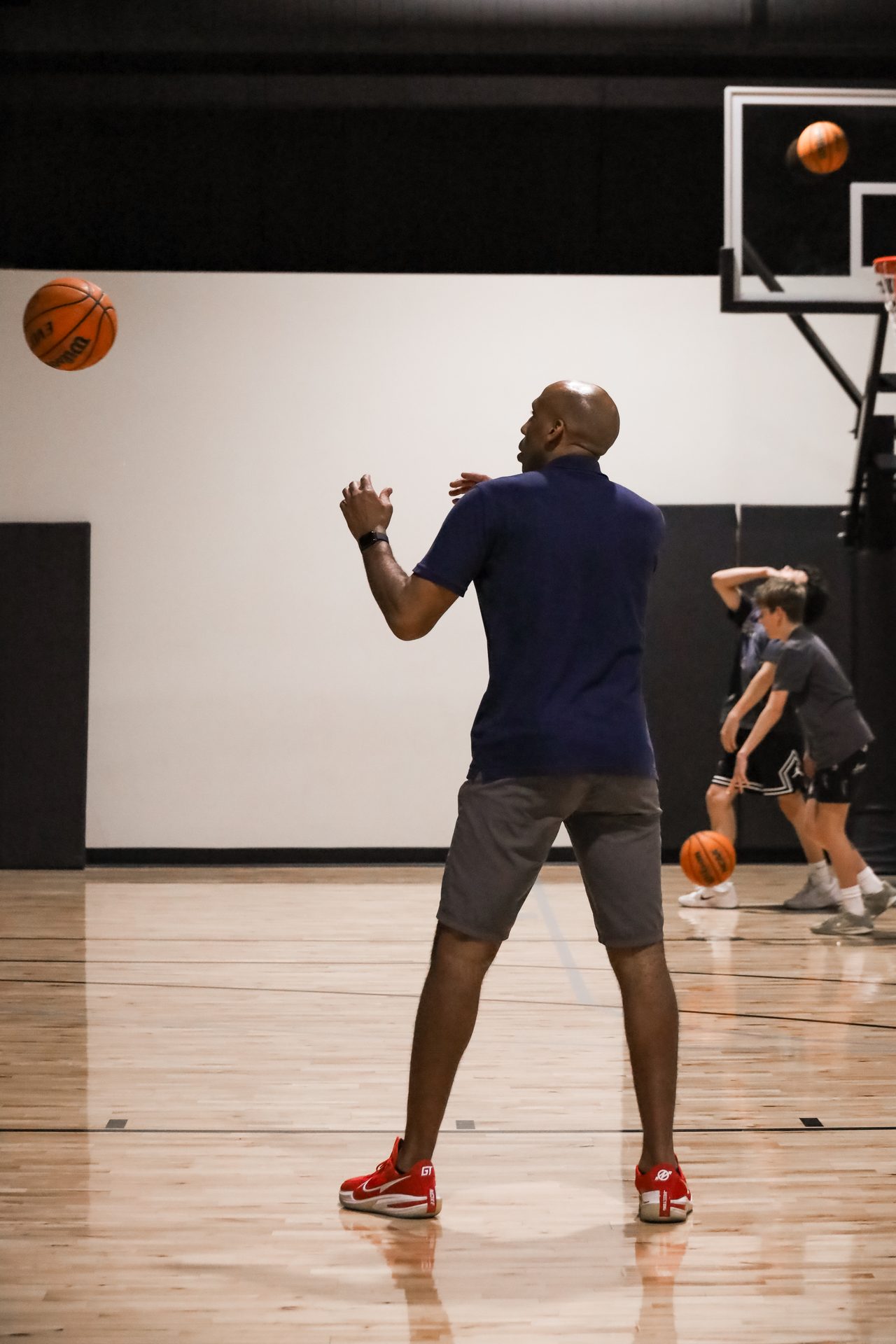
A basketball skills clinic is the right fit when your player needs coached reps, feedback, and game-speed decisions, but does not need a private session built only around one athlete. At Swysh Den in Scottsdale, Basketball Skills Clinics are 55-minute group sessions for youth and adult players, run indoors by in-house trainers and built around ball handling, shooting, passing, defense, conditioning, and controlled scrimmage play.
The best clinics do not try to turn every kid into the same player. They give a coach enough structure to teach, enough game pressure to expose habits, and enough repetition for a player to leave with one or two clear things to keep working on.
Who is a skills clinic best for?
A clinic fits the player who needs more than open gym but less than private training. That can be a beginner learning how to move with the ball, a league player who needs cleaner footwork, or a competitive player who wants live reps before tryouts. The key is whether the player can listen, try a correction, and work in a group.
The NBA and USA Basketball youth guidelines are built around age- and stage-appropriate development, player health, and a positive on-court experience (Youth Basketball Guidelines, NBA and USA Basketball). That is the right lens for a parent. Do not ask, "Is my kid good enough for a clinic?" Ask, "Will this clinic meet my kid where they are and push one level higher?"
Beginner
Needs confidence, basic footwork, ball control, and a coach who keeps the session moving without making mistakes feel embarrassing.
Developing league player
Needs more purposeful reps between games, especially shooting balance, defensive stance, passing decisions, and playing through contact.
Competitive player
Needs pace, pressure, and feedback on the details that show up in tryouts: decision speed, effort, communication, and consistency.
What happens during a clinic?
A good clinic has a shape. It should not be 55 minutes of disconnected drills, and it should not be a pickup run wearing a clinic label. Expect a warmup, a skill block, a pressure block, a live-play block, and a short close where the player knows what to take into the next session.
- Warmup: footwork, balance, movement, and enough ball contact to get the player locked in.
- Skill block: shooting, passing, ball handling, or defensive mechanics taught in small pieces.
- Pressure block: the same skill with a defender, time limit, decision cue, or fatigue.
- Live play: small-sided games or scrimmage reps where the coach can see if the skill transfers.
- Next step: one clear correction or habit to practice before the next clinic.
Swysh Den's facility gives clinics useful tools around that structure. The Dr. Dish shooting machines build shot volume. The dribbling stations make ball-handling reps easier to repeat. The Interactive Wall adds reaction and decision work. Those assets matter because a clinic should be more than a coach talking while kids stand in lines.
How often should a player attend?
For most players, one clinic a week plus one or two lighter gym visits is a better starting point than stacking every available session. The CDC recommends 60 minutes or more of daily moderate-to-vigorous physical activity for ages 6 to 17 (Physical Activity Guidelines for School-Aged Children and Adolescents, CDC), but that does not mean every minute should be organized basketball.
The NBA and USA Basketball guidelines also include rest recommendations and maximum organized-basketball limits by age. Their point is simple: more is not automatically better when the schedule removes recovery, sleep, or informal play. A clinic should make a player want to keep working, not make them drag themselves back into the gym.
When is private training better than a clinic?
Choose 1-on-1 training when your player has one problem that needs direct attention: a shot that breaks under pressure, a weak left hand, trouble finishing through contact, or anxiety after a bad game. A private session is also better when a player is shy, returning from a layoff, or preparing for a specific tryout with a tight deadline.
Choose a clinic when the player needs varied reps, group energy, and live decisions. Clinics are also easier to sustain inside a membership, because the player can pair a weekly clinic with shooting-machine time, open gym, or pickup. If you are not sure, start with a skills assessment and let the result drive the plan.
Clinic
Best for steady development, group energy, game rhythm, and players who benefit from seeing peers work through the same skills.
Private training
Best for a narrow skill gap, a confidence issue, injury-return caution, or a player preparing for a specific evaluation window.
Membership
Best when the family wants a repeatable rhythm, not a one-off fix: clinic, machines, open gym, and pickup across the week.
What should parents watch for?
Watch your player's energy after the session. A good clinic can be hard, but the player should be able to tell you what they learned. If all they can say is that it was exhausting, the session may have been more conditioning than teaching. Also watch whether the coach gives corrections your player understands. Vague praise feels good, but specific feedback changes the next rep.
The American Academy of Pediatrics cautions that excessive training and overscheduling can contribute to overuse injuries and burnout, and recommends a youth-sports environment that keeps participation and effort central (AAP Calls Out Causes of Overuse Injuries and Burnout in Youth Sports). That is especially important for serious players. The point of a clinic is not to prove toughness every week. The point is to improve enough that the game starts slowing down.
Sleep is part of the training plan too. CDC sleep guidance lists 9 to 12 hours for school-age children and 8 to 10 hours for teens (About Sleep, CDC). If clinics are pushing bedtime too late, choose a different session time or reduce the load.
Frequently asked questions
Are basketball skills clinics good for beginners?
Yes, if the clinic meets the player at their level. Beginners need simple language, lots of touches, and drills that build confidence before speed or competition increases.
How is a skills clinic different from open gym?
A skills clinic has coaching, a plan, and feedback. Open gym gives a player freedom to play and experiment, but it usually does not diagnose habits or teach corrections.
How often should my kid attend a basketball clinic?
One clinic per week is a strong baseline for most players. Add shooting, dribbling, or open-gym work only if sleep, school, and recovery still look healthy.
Do clinics help before league or club tryouts?
Yes. Clinics help players sharpen the skills coaches notice in evaluations: ball handling, shooting balance, defensive effort, decision making, communication, and coachability.
When should we choose private training instead?
Choose private training when your player has one specific issue that needs a coach's full attention, or when a tryout, injury return, or confidence problem needs a tighter plan.
The next step
If your player needs coached reps, start with the Basketball Skills Clinic page and check the current schedule. If your family is still choosing between formats, read Skills Clinic vs. Summer Camp and 5 Signs Your Child Is Ready for a Competitive Summer Skills Clinic before you book.
Published 2026-08-26
About Swysh Den Basketball
Swysh Den is an indoor basketball training facility at 8212 E Evans Rd in Scottsdale, Arizona, founded by Steve Moses and opened in August 2025. Our coaching staff runs youth memberships, leagues, camps, club team training and 1-on-1 development on climate-controlled courts equipped with Dr. Dish shooting machines, dribbling stations and an interactive training wall. Questions about a program? Call (480) 685-8773.
Ready for coached reps?
Start with a skills clinic if your player needs structure, feedback, and a clear plan for the next rep.
See Skills Clinics