 Swysh Den
After-School Basketball Programs in Scottsdale: How Families Fit Training Around the School Week
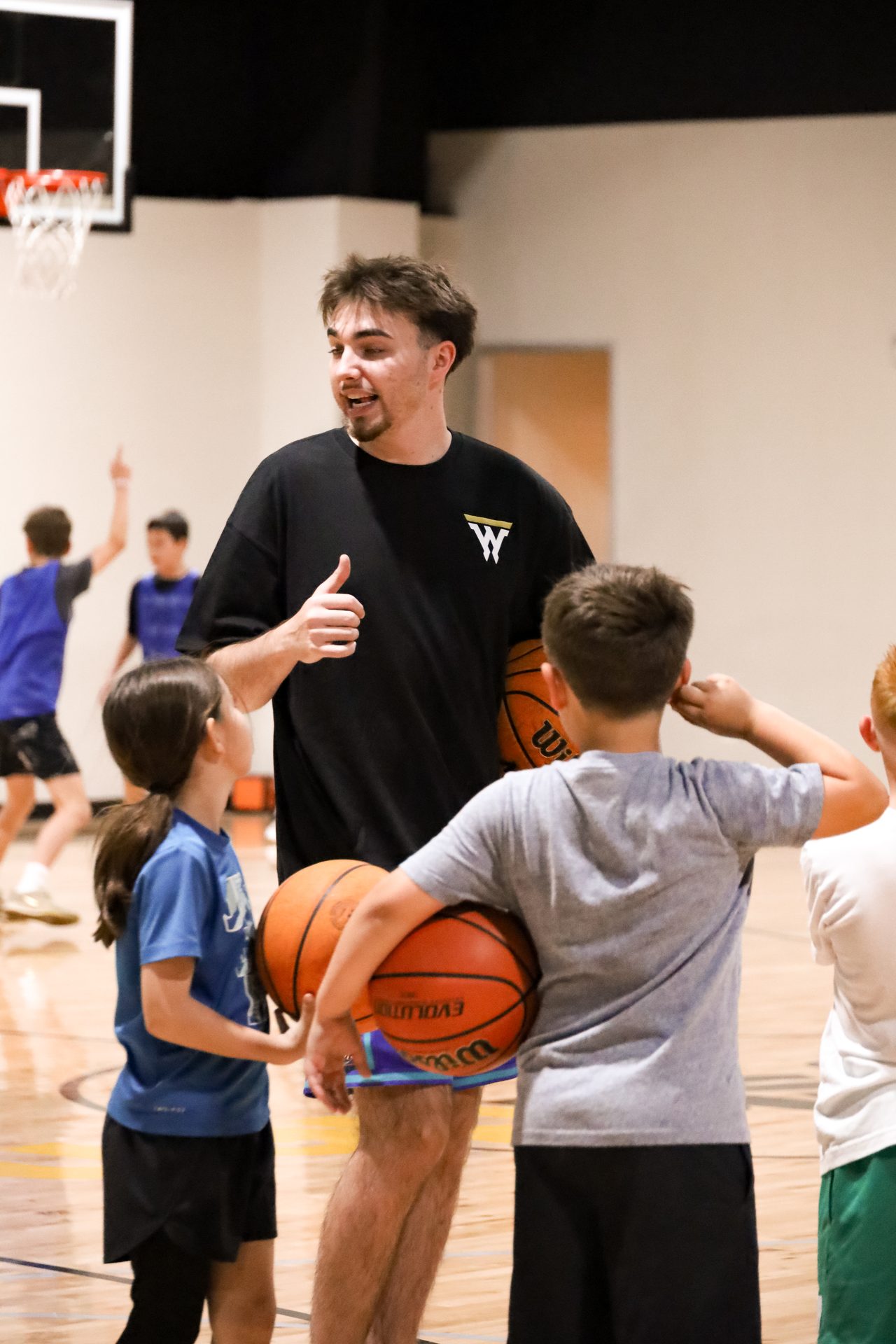
An after-school basketball program works when it gives your kid consistent movement, real coaching, and a schedule your family can repeat without turning every weeknight into a scramble. At Swysh Den in Scottsdale, families can check the live daily schedule, use memberships for steady gym access, and build a week around clinics, shooting-machine reps, dribbling stations, open gym, and pickup instead of guessing what to do after school.
The goal is not to fill every open hour. It is to give your player enough structured reps to improve, enough unstructured time to enjoy the game, and enough recovery that basketball still feels like something they get to do, not another assignment.
What should a good after-school basketball program solve?
A parent is usually solving three problems at once: movement after a long school day, skill development that is more useful than random driveway shooting, and a safe place where the schedule is predictable. The CDC says physical activity before and after school can help students increase overall activity and find activities they enjoy long term (Before and After School Physical Activity, CDC). That matters in Scottsdale because outdoor time is not always practical after school, especially during the hotter months.
At Swysh Den, the indoor setup changes the calendar. A family can use a 30-minute skills window, a quick shooting-machine block, or a full clinic without planning around heat, darkness, or court availability at a park. The facility is built for repeatable reps: five dedicated shooting courts, Dr. Dish machines, dribbling stations, an interactive training wall, and a full court under one roof.
The activity problem
Kids need movement after school, but not every family can drive across town for a long practice. Short, repeatable sessions make the habit easier to keep.
The skill problem
A player needs feedback, not just more shots. Clinics and assessments help identify what to work on before bad habits become permanent.
The schedule problem
The best program is the one your household can actually sustain through homework, dinner, siblings, and school-night sleep.
How many days a week should your kid train?
Start with the week your family already has, then add basketball carefully. The CDC physical activity guidelines recommend that children and adolescents ages 6 to 17 get 60 minutes or more of moderate-to-vigorous physical activity daily, with muscle-strengthening and bone-strengthening activity at least three days a week (Physical Activity Guidelines for School-Aged Children and Adolescents, CDC). Basketball can cover a meaningful part of that, but only if it is planned in a way your child can recover from.
For most families, the right starting rhythm is two to three basketball touchpoints per week. One can be a skills clinic, one can be a shorter shooting or dribbling session, and one can be open gym or pickup. If your player is preparing for a league, tryout, or school season, add more volume for a short block. If their energy or schoolwork drops, back off before the sport starts to feel heavy.
- One day a week: good for a beginner, a busy multi-sport kid, or a family testing whether the routine fits.
- Two or three days a week: the best baseline for steady improvement without crowding every evening.
- Four days a week: useful for motivated players, but only when sleep, school, and recovery still look healthy.
- Daily basketball: only makes sense when some days are light, player-led, and short.
That is why a Swysh Den membership matters more than a one-off clinic for many households. The value is flexibility: one week can be clinic-heavy, the next can be lighter machine work, and the player still stays in the gym.
What should a school-night basketball routine look like?
A school-night routine should be simple enough that a tired parent can run it without negotiation. The mistake is making every session a big event. The better move is to decide the kind of night before you arrive.
Short rep night
This is a 30 to 45 minute visit built around one skill. A player might use the shooting machines for form and volume, then spend a few minutes on free throws. Another night might be a short handle session at the dribbling stations. Short rep nights are how improvement stacks without taking over the household.
Clinic night
A clinic night is more structured. Your player gets a coach, a group, game-speed decision making, and feedback. This is the better choice when they need accountability, not just access to a court. It also helps parents see whether the child responds well to coaching before moving toward league or club play.
Open-gym night
Open gym and pickup let a player use what they are learning. This is where confidence grows because the game is less scripted. For younger players, the Little Swyshers path keeps that same idea age-appropriate.
How do you keep basketball from crowding out homework and sleep?
Protect the end of the night. The CDC lists 9 to 12 hours of sleep for school-age children and 8 to 10 hours for teens (About Sleep, CDC). If a basketball schedule makes that impossible, the schedule is wrong even if the training is good.
The American Academy of Pediatrics also warns that excessive training and overscheduling can contribute to overuse injury, burnout, and lower quality of life for young athletes (AAP Calls Out Causes of Overuse Injuries and Burnout in Youth Sports). The parent job is not to choose between development and rest. It is to design a week where both can happen.
Best for beginners
One clinic plus one short rep night. Keep the sessions successful and leave while the player still wants more.
Best for league players
One clinic, one machine-work session, and one game or pickup window. Link training to real possessions.
Best for serious players
Two structured sessions plus one or two lighter gym visits. Recovery days stay on the calendar.
How do you know which Swysh Den option fits?
If your player is new, start with a free trial or skills assessment. If they like the building and the coaching style, compare the membership tiers through the lens of time, not just price. A family that can come once a week does not need the same tier as a household with two kids using the gym three or four days a week. The Rookie vs. Family Membership comparison walks through that choice.
If your player needs a specific correction, such as shooting mechanics, ball handling under pressure, or confidence in live play, use the Basketball Skills Clinic page as the starting point. If your family wants to see the facility first, book from the facility tour page or check what is open today on the schedule.
Frequently asked questions
What is the best after-school basketball schedule for a beginner?
Start with one clinic or coached session each week plus one short practice visit. That gives your player enough repetition to improve without making basketball feel like a second school day.
Can my kid train after school without joining a team?
Yes. A player can work on skills, shooting, dribbling, open gym, and pickup without joining a league or club team. That is often the right first step before competitive play.
How late should a school-night basketball session run?
End early enough that dinner, homework, shower, and sleep still happen normally. If the session consistently pushes bedtime back, shorten the visit or move one training day to the weekend.
Is an indoor basketball facility better after school in Scottsdale?
For many families, yes. Indoor courts remove heat, darkness, and park-court availability from the decision, which makes the routine easier to repeat through the school year.
Should my child do clinics or open gym after school?
Use clinics when your player needs coaching, structure, and feedback. Use open gym when they need confidence, game rhythm, and freedom to apply what they are learning.
The next step
Build the week before you buy the program. Pick two realistic after-school windows, decide whether each one is a clinic, machine-work session, or open-gym night, then check the Swysh Den schedule and choose the rhythm your family can keep.
Published 2026-08-26
About Swysh Den Basketball
Swysh Den is an indoor basketball training facility at 8212 E Evans Rd in Scottsdale, Arizona, founded by Steve Moses and opened in August 2025. Our coaching staff runs youth memberships, leagues, camps, club team training and 1-on-1 development on climate-controlled courts equipped with Dr. Dish shooting machines, dribbling stations and an interactive training wall. Questions about a program? Call (480) 685-8773.
Build a repeatable school-week rhythm
See what is open today, then pick the clinic, court time, or free-trial visit that fits your family's week.
See Today's Schedule